Minnesota's Do Not Call laws protect residents from unwanted calls but have significant exemptions for businesses and non-profits. These include calls with prior consent, communications by political groups, charities, and companies with existing relationships. Lawyers for Do Not Call Laws Minnesota are crucial to navigate these exemptions, avoid legal issues, and ensure compliance while leveraging legitimate business activities.
In today’s digital era, unwanted telemarketing calls remain a persistent nuisance, yet understanding the nuances of Do Not Call laws is crucial for both businesses and consumers alike. Minnesota’s Do Not Call laws offer protections, but with several key exemptions that are often misunderstood. This comprehensive guide aims to demystify these exceptions, empowering individuals and lawyers specializing in Minnesota’s Do Not Call Laws to navigate this complex landscape effectively. By examining real-world scenarios and providing expert insights, we equip readers with the knowledge to ensure compliance and protect their rights.
Understanding Minnesota's Do Not Call Laws: Basics & Exemptions
Minnesota’s Do Not Call laws are designed to protect residents from unwanted telemarketing calls, but there are several key exemptions that businesses and individuals should be aware of. Understanding these exemptions is crucial for navigating the legal landscape surrounding consumer privacy in Minnesota. One significant exemption allows companies with whom a consumer has an existing or prior business relationship to contact them without prior consent. This includes financial institutions, utility providers, and insurance companies, who can continue to reach out to clients regarding ongoing services or products. For instance, your local bank can still call to notify you of account updates or offer new financial products.
Another exemption is for non-commercial purposes, such as political organizations, labor unions, and charitable groups. These entities are permitted to make calls for fundraising, awareness campaigns, or political advocacy without the need for explicit consent from the recipient. However, they must comply with specific rules regarding call frequency and identification of the caller. A lawyer specializing in Do Not Call Laws Minnesota can provide valuable guidance on ensuring these organizations adhere to state regulations while effectively carrying out their outreach efforts.
Additionally, certain types of business-to-business (B2B) calls are exempt from the strictest provisions of Minnesota’s law. B2B telemarketing calls are generally allowed as long as they are made with the purpose of selling or distributing goods or services to other businesses, rather than directly to consumers. This exemption reflects the understanding that B2B interactions often involve more complex decision-making processes and may require multiple touchpoints for effective sales strategies. Businesses availing of these exemptions must ensure they have legitimate business relationships or purposes for making the calls. Consulting a lawyer for Do Not Call Laws Minnesota can help clarify these nuances and protect businesses from potential legal issues related to telemarketing practices.
Who Is Excluded from Do Not Call Registry Regulations?

In Minnesota, the Do Not Call laws are designed to protect residents from unwanted telemarketing calls, but not all organizations or individuals are subject to these regulations. Key exemptions exist, primarily centered around legitimate business activities and certain public interests. For instance, political organizations, charities, and companies with existing business relationships are generally exempt from the strictures of the Do Not Call Registry. A lawyer specializing in Minnesota’s Do Not Call Laws can provide invaluable insight into these exemptions, helping businesses navigate legal requirements effectively.
One significant exclusion is for calls made with the prior consent of the recipient. This includes situations where an individual has given explicit permission for marketing or telemarketing calls. For example, when a customer subscribes to a company’s email newsletter or signs up for promotional offers during a purchase, they are essentially granting consent for future communication. However, this consent must be clearly articulated and documented by the organization to remain compliant with state laws.
Another critical exemption pertains to charitable organizations and political campaigns. These entities can make calls without prior registration on the Do Not Call Registry as long as their messages adhere to specific guidelines. For instance, political candidates or advocacy groups can contact individuals about political issues or campaigns, but they must follow strict do’s and don’ts, such as including an easy way for recipients to opt out of future calls. Understanding these exemptions is crucial, especially for businesses with mixed operations involving telemarketing and direct sales strategies. Consulting a lawyer for Do Not Call Laws Minnesota can help ensure compliance while leveraging legitimate exceptions to boost marketing efforts without infringing on consumer privacy.
Common Scenarios: When a Lawyer for Do Not Call Laws Minnesota is Necessary
In Minnesota, while Do Not Call laws offer residents valuable privacy protections, there are certain scenarios where a lawyer specializing in these laws becomes an indispensable ally. Despite following the best practices for compliance, businesses and individuals may inadvertently cross legal lines, leading to costly consequences. For instance, even with diligent effort, identifying and obtaining consent from individuals on the Do Not Call registry can be intricate. A single misstep, such as failing to verify opt-out requests or incorrectly categorizing a caller’s intent, could result in a violation.
Moreover, Minnesota’s laws have specific exemptions that can be challenging to navigate. Nonprofit organizations, political campaigns, and certain types of businesses engaged in fundraising activities may operate under different rules. A lawyer for Do Not Call Laws Minnesota can provide crucial guidance on these nuances. They can help ensure that nonprofits accurately categorize their calls, political campaigns adhere to registration and disclosure requirements, and fundraisers comply with restrictions on automated dialing systems.
Additionally, when facing scrutiny or enforcement actions from the Minnesota Attorney General’s Office, having a lawyer by your side is immensely beneficial. Legal counsel can effectively communicate with authorities, challenge misapplications of the law, and negotiate settlements. They can also represent clients in court if necessary. This proactive approach not only minimizes financial penalties but also safeguards the reputation of businesses and individuals affected by Do Not Call law violations.
Navigating Exemptions: Ensuring Compliance with Legal Experts
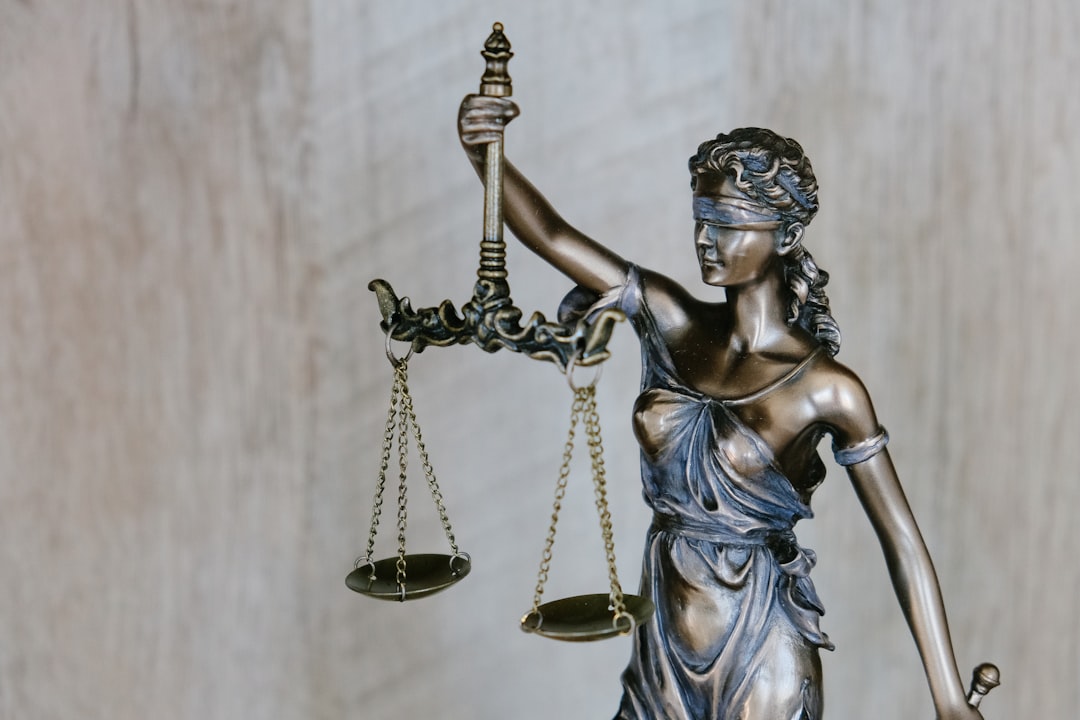
Navigating the complex web of exemptions in Minnesota’s Do Not Call laws can be a challenge for businesses seeking to maintain compliance. While the state has robust regulations designed to protect consumers from intrusive sales calls, certain sectors and scenarios are exempt, requiring careful consideration and expert guidance. Understanding these exemptions is crucial to ensuring your organization avoids penalties and remains respectful of privacy rights. Legal experts emphasize that working with a lawyer specializing in Do Not Call Laws Minnesota can significantly aid businesses in navigating this intricate area.
One notable exemption pertains to charitable organizations, which are permitted to make telemarketing calls without prior consent. However, they must adhere to strict guidelines regarding the frequency and content of these calls. For instance, a charity cannot call more than three times annually to the same individual without their explicit permission. This exemption allows charities to continue their vital work while respecting consumer preferences. Similarly, political organizations enjoy certain liberties in their fundraising efforts, but they too are subject to rules governing do-not-call lists and caller ID transparency.
Another critical area of exemption involves businesses conducting legitimate market research. Companies gathering data for internal analysis or academic studies may contact individuals without prior consent as long as the purpose is not commercial in nature. This provision allows for valuable insights into consumer behavior while ensuring that marketing efforts remain targeted and respectful. However, it’s essential to note that even within these exemptions, there are specific criteria that must be met. Engaging a lawyer for Do Not Call Laws Minnesota can provide businesses with tailored advice, helping them stay within legal boundaries and foster positive relationships with customers.